Poetry: Creation, of an Artefact
Mission I: Choose poem types / locations in Toronto
(25XP)
-
You must write at least ten different poems
-
You must use at least five different poem types
-
You must cover all five of the “Ideas for Poems” (one
in each of five poems)
-
Each poem must be related to a specific location in
Toronto, somehow
- Record at least five of the poem types you are going to use, and the ten locations in Toronto you will be using; show this to your teacher.
Mission
II: Write poems (50XP)
-
Write the first draft of all ten poems
-
Indicate the connection to Toronto that each poem makes
- Show your teacher all ten rough poems, and briefly explain the Toronto connection.
Mission
III: Gather images relating to your poems (75XP)
-
Take at least one picture at each location
-
Collect at least one ‘found item’ from each of the ten
locations. Found items may be, but are
not limited to:
o
Maps
o
TTC
transfers
o
Menues
o
Pamphlets
- Show your teacher the visuals you have collected, and explain the connections.
Mission
IV: Combine the written with the visual (100XP)
-
Combine your visual images / found items with your
poems to fit the size of paper you will be using
-
Determine in which order your poems will be presented
inside your text
- Show your teacher the final page copies you have created, in order
Mission
V: Create booklets combining all poems (200XP)
-
Bind your text together, in a way fitting with the
assignment requirements
-
Make sure you have included at least ten poems
-
Make sure each poem is combined with a visual
-
include a title page and an index page
- Submit your finished book to your teacher
Each poem must include at least two poetic devices. You must use at least six different poetic devices in the chapbook.
Types of Poems
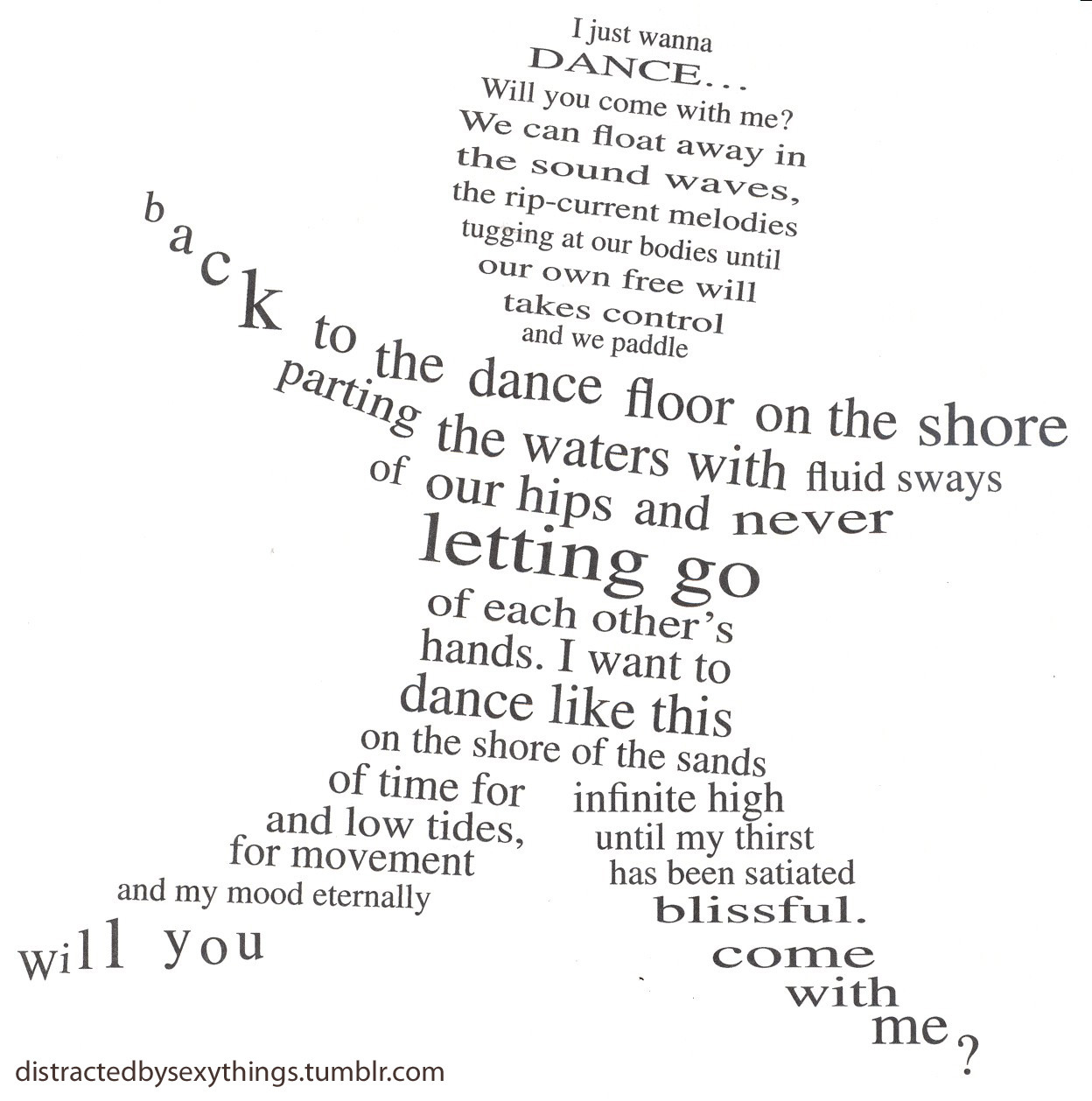
Concrete Poem
Sound Poem
Found Poem
Verse Poem
Narrative Poem
Sonnet
Limerick
Haiku
Ideas for Poems
Discuss your youth
Discuss your home
Discuss your present
Discuss your history
Discuss your future
Poetic Devices
Assonance – repetition of
vowel sound
Consonance – repetition
of consonant sound
Imagery – language that
evokes sensory images
Metaphor – comparison of
unlike things without using like or as
Simile – comparison of
unlike things using like or as
Onomatopoeia – a word
that intimates the sound it represents
Symbol – an object or
action that means more than its literal meaning
Slant Rhyme – instead of
perfect or identical sounds or rhyme, it’s the repetition of near or similar sounds
Repetition – simple
repeating of a word, within a sentence or a poetical line
Meter –
the regular rhythms of poetic lines created by a sequence of stressed or
unstressed syllables
K
|
T
|
C
|
A
|
At least five poem types are effectively used
All five “ideas for poem” are demonstrated within the
chap book
At least two poetic devices are used in each poem
All ten poetic devices can be found within the
chapbook
|
Poetic devices are used effectively to communicate
the desired subject matter
Poem types are well suited for the poems subject
matter
Poems show a connection to Toronto
Images are well suited for the related poem
|
poems and images relate to one another
poems are free of unintentional spelling /
grammatical errors
poems transition from one to the next in a logical
order
poems demonstrate understanding of style, and poetic
devices
|
Chapbook highlights the author’s experiences
Chapbook communicates a strong idea / understanding
of the city of Toronto
Chapbook is well bound
All required elements are found within the completed
project
|
/70
|
/60
|
/40
|
/30
|